
Start small. Eat slowly.
Try smaller, regular meals, chew well, and pause when comfortably satisfied. Spread food through the day rather than forcing a large meal.
GLP-1 nutrition · DietOnSale
Eating well on a GLP-1 starts with food that fits your day. Explore convenient protein options, thoughtful portions, and practical ways to make the food you eat count.
For your everyday routine, alongside your healthcare team’s guidance.

A little planning goes a long way
GLP-1 medications can reduce appetite and slow digestion. When you eat less, planning for enough protein, fiber, vitamins, and minerals matters. Convenient foods can help you put a routine together, while whole foods remain part of the picture.
Try smaller, regular meals, chew well, and pause when comfortably satisfied. Spread food through the day rather than forcing a large meal.
Adequate protein and resistance exercise help support muscle during weight loss. Ask your clinician or dietitian for a target that fits your health and activity.
Fiber supports bowel regularity. Add it gradually and drink fluids as advised. Include foods such as berries, oats, beans, and vegetables, according to your tolerance.
Lower-carb choices may fit your plan, but carbohydrate quality matters. Favor nutrient-rich foods and limit added sugars. GLP-1 treatment does not automatically require a keto diet.
Learn more: OMA nutrition guidance · NHS eating guidance · NIDDK fiber guidance · OMA carbohydrate guidance
Your nutrition routine, at a glance
Build a simple routine around three everyday priorities.
Eat slowly. Start with a manageable amount and pause when comfortably satisfied.
Make meals approachableProtein and strength-building activity work together to support muscle during weight loss.
Support your strengthAdd fiber-rich foods gradually and keep fluids in your routine, following your care team's advice.
Support regularityA bar or shake can add convenience. Combine it with varied, nutrient-rich foods and your individual care plan.
Everyday essentials
Convenient products make a routine easier to follow. They support your food choices; they do not replace balanced meals, exercise, or prescribed treatment.
Find your everyday options →Find what fits today
Start with one category, compare the labels, and choose a flavor and format that works for you. Nutrition and serving sizes vary by product.

Convenient choices for busy days and planned snacks.

Explore creamy options and check the serving instructions.
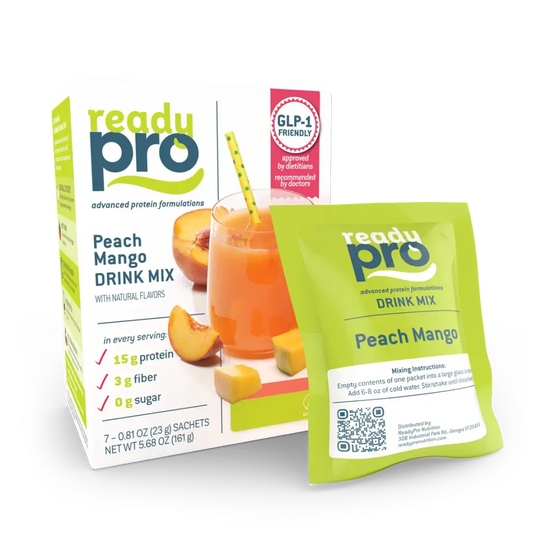
Find a refreshing alternative to your usual shake.

Browse oatmeal, pancakes, and other morning favorites.

Explore soups for a warm change of pace.

Review options with your healthcare professional.
A helpful place to start
Ready Pro Choco Mallow Mashup combines a chocolate-and-marshmallow-inspired flavor with 12g protein and 6g fiber per bar. Keep a box on hand for a planned snack.
Prefer something citrusy, sweet & salty, or peanut-flavored? Explore the other Ready Pro bars and check each flavor’s label.
Food tolerance is individual. A bar is a snack, not a complete meal or a treatment for medication side effects.
Ready Pro Choco Mallow Mashup · Nutrition per bar
Protein
Fiber
Make the label work for you
Check the grams and serving size so you can see how a product fits the plan you agreed on with your care team.
Look at total carbohydrate, dietary fiber, and added sugars together. A high-fiber product can still contain carbohydrates; “net carbs” does not tell the whole story.
Check allergens, calories, and preparation instructions. A labeled serving is a reference amount, not a requirement to finish everything at once.
Product claims are specific to the label. Our entire selection is not uniformly high-fiber or low-carb. Read about portions and serving sizes.
Simple ideas, flexible portions
Try a smaller serving of eggs or yogurt with fruit. Explore breakfast options when you want more variety.
Browse breakfast →Keep a bar or prepared shake available for a planned snack when it fits your needs and appetite.
Browse bars →Build a small meal around a protein food and vegetables, with other foods that fit your plan. Take your time.
Browse savory options →These are flexible ideas, not a complete daily meal plan. Keep up fluids and discuss persistent difficulty eating or drinking with your healthcare team.
Your needs depend on factors such as body size, activity, age, and kidney health. Work with your clinician or registered dietitian on a personal target. More is not always better.
No single eating pattern suits everyone. Lower-carb options can help you follow a carbohydrate goal if your care team recommends one, but fruit, beans, vegetables, and whole grains also provide valuable nutrients. Ask for an individual plan, especially if you use other diabetes medicines.
Increase fiber gradually so your body can adjust, and drink fluids according to your care team's advice. If a food causes discomfort, reduce the portion or choose another option and discuss ongoing symptoms.
Not everyone does. Supplements should address your individual needs, not automatically replace food. Review products with your clinician or dietitian before starting them.
No. Use convenient products alongside a varied eating pattern unless your healthcare team has prescribed a specific supervised plan. Check whether an individual product is a snack, a supplement, or a nutritionally complete meal replacement.
We offer convenient nutrition products, not medication or a promise of weight-loss results. Choosing a product does not guarantee muscle preservation, prevent deficiencies, or treat medication side effects.
Start with one small step
Choose a category. Find a flavor. Build from there.
Explore your optionsEducational information, not individualized medical advice. Follow your prescriber’s guidance. Product suitability varies with your health, allergies, medication, and tolerance.